The Scenario
I am always struck at museums with visitors’ use of cameras and insistence upon taking pictures of the art hanging on the wall. Many people have realized that simply taking a picture of the art is unnecessary because of the bounty of high-resolution images of said pieces available online. In order, then to make the picture more interesting and unique, people pose in front of the art so the photo contains themselves as well.
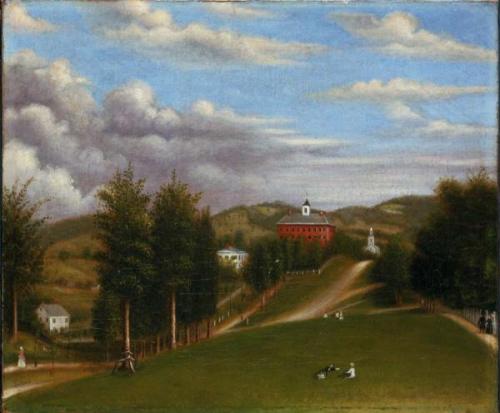
An example of an image sourced from WCMA’s online database.1
The Problem
However, this incites a new problem where people vie to get their chance to pose in front of the work, all the while disrupting other viewers’ attempts to engage with it undisturbed. During our time at WCMA, I noticed that people’s primary means of interaction with the art involved standing right in front of it and gazing for extended periods of time. Imagine attempting this kind of pensive contemplation with other visitors constantly stepping in front of the work to take hurried pictures at odd angles. The problem then, is to design a means of taking a photo with the art which multiple people can do at once, which doesn’t disturb the experience of other visitors, and that results in an interesting and unique photo.
The Solution
I propose a program where visitors could pull up a preexisting image of the piece of art (presumably from the museum’s database), and superimpose an image of themselves into the work of art. Not only would this help to solve the problem of keeping a view of the work unobstructed, but it would be a fun and exciting new way to engage with art.
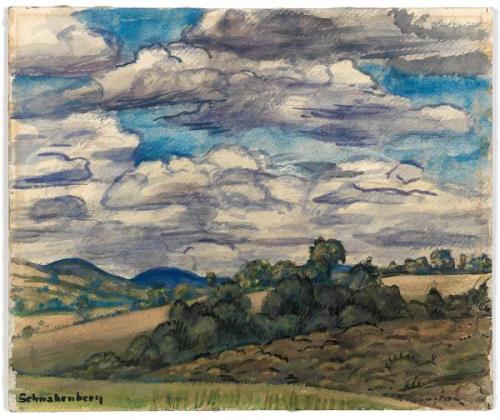
Vermont Landscape 2
Maybe you put your face on WCMA’s Portrait of Rembrandt Peale, or position yourself floating through Vermont Landscape, or perhaps you place yourself in the costumes on display in the Dance We Must exhibit at WCMA.
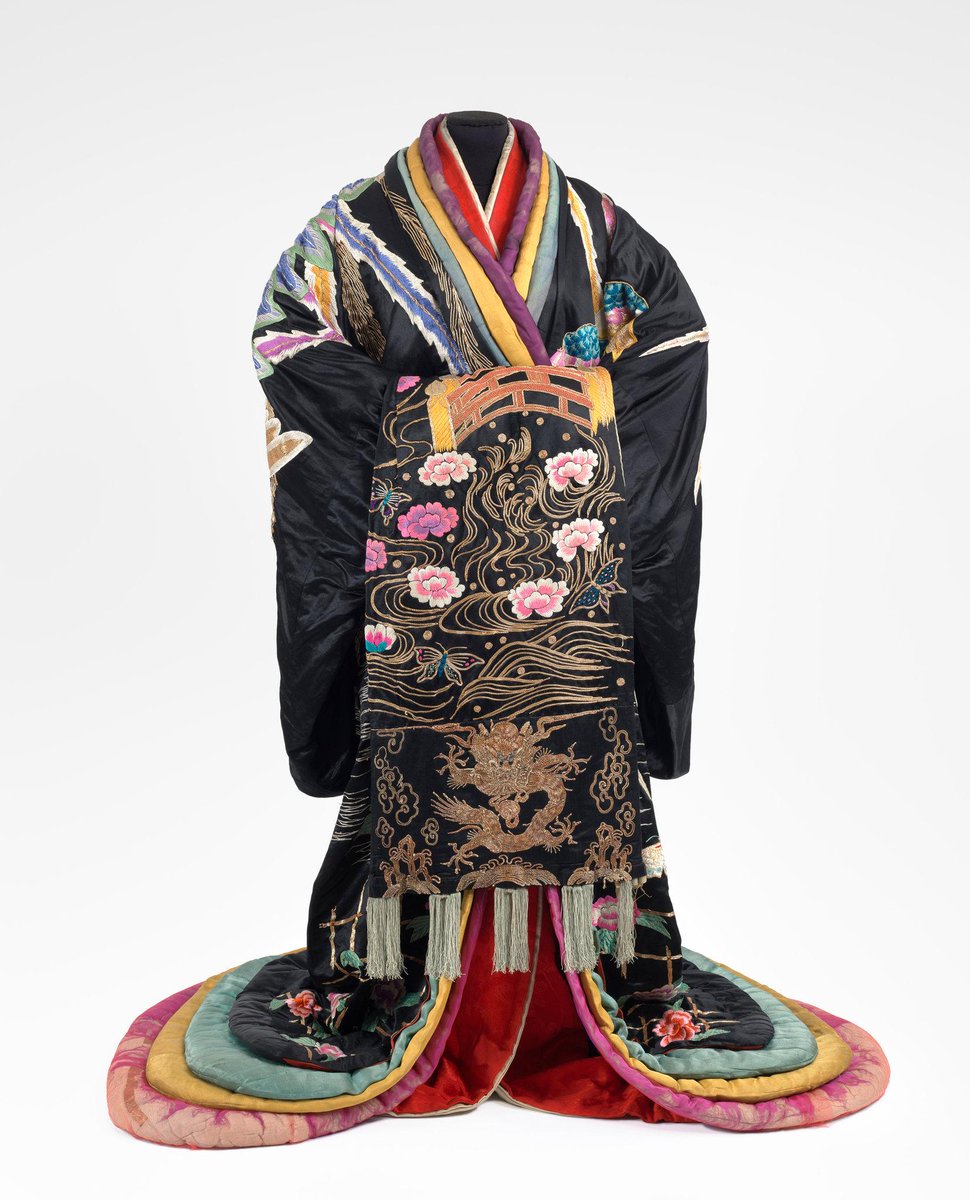 3
Whatever the case may be, this design would provide an interesting alternative to waiting your turn to take a photo in front of the art, plus it would be fun for all ages. I could envision this design particularly taking hold amongst young kids for whom it would offer a way to keep them entertained while also helping them engage with the art. While older visitors may use the program to create artistic souveniers of their time in the museum, children would have fun wandering the exhibits looking for interesting pieces to insert themselves into, and then inventing creative ways to do so.
Remaining Questions
While this design could help preserve the experience of visitors seeking to engage with the pieces of art uninterrupted, it has the potential to draw attention away from the actual art on the walls in a distracting and detrimental way. The question stands then, of how to create a balance such that the museum experience is preserved and enriched without distracting visitors too far away from the actual art. Perhaps the answer is to render the program immobile, such that you can only use it in designated non-exhibit areas. Or maybe, to limit the number of pieces you can superimpose into. Whatever the answer, this design has the potential to revolutionize the means through which visitors engage with the museum’s collection.
Citations
1Anonymous. “View of Williams College: Griffin Hall Looking toward West College.” Collection – Williams College Museum of Art, egallery.williams.edu/objects/9525/view-of-williams-college-griffin-hall-looking-toward-west-c?ctx=ed465986-4ca9-405c-8a4f-fe121459b049&idx=24.
2Schnakenberg, Henry Ernest. “Vermont Landscape.” Collection - Williams College Museum of Art, http://egallery.williams.edu/objects/10229/vermont-landscape?ctx=c7003965-92a3-431a-94fe-12f71a3b97da&idx=12.
3Kourlas, Gia. “The Costumes in Modern Dance’s Attic.” The New York Times, The New York Times, 19 June 2018,
www.nytimes.com/2018/06/19/arts/dance/the-costumes-in-modern-dances-attic.html.