A note on the logo, visible in the page avatar: The work depicted in our logo will change week to week to showcase different objects from the WCMA collection and demonstrate its breadth and diversity of styles. SWCMA Logo image sources: magnifying glass Clip Art comes from the Microsoft Word 2011 Clip Art Browser, the photograph is Joel Sternfeld’s “9/11 Along West Side Highway” (2001), which can be found at this here.
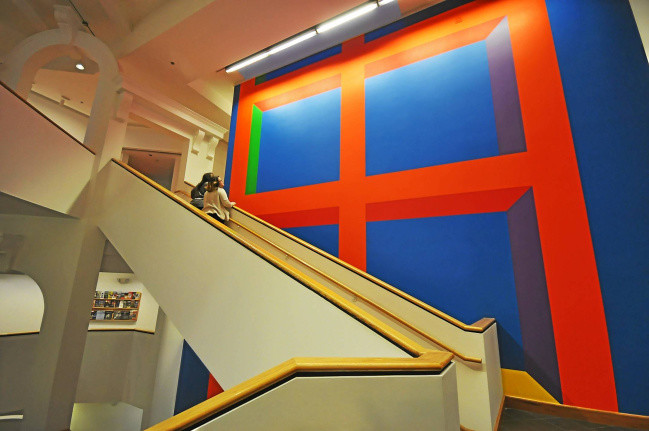
(Scott Stafford. “Committee seeks approval for Williams College Museum of Art move.” Berkshire Eagle. January 24, 2016. https://cdn2.creativecirclemedia.com/neni/original/20161021-131955-20160123__p_wcmalandhunt1jpg)
When stepping into a museum for the first time, even the question of whether to walk right or left can feel overwhelming. The Williams College Museum of Art (WCMA) plays a unique role within the museum-laden community, as its small size and diverse collection allows it to constantly evolve and change the contents of its maze-like rooms. While this creates the exciting opportunity to visit an essentially novel museum each time, it can make it difficult to find a personally meaningful path to take within the museum and when interacting with its collection writ large. Additionally, because of its malleability and small size, the museum doesn’t produce maps or guides of the works on display, and many of its works pass unknown in the bowels of the collection. In short, there is a need for a product which helps people find and engage with art in the museum and its hidden collection.
We propose a product that helps visitors find the best path through the museum for their personal tastes and allows them to search the collection as a whole based on these preferences. This product is two fold, 1) it would use user responses to an interactive quiz based on the current exhibit to generate an optimal path through the pieces that are on display and 2) it would track your progress through the museum, for those who didn’t take a pre-quiz, and register the pieces you liked the most, using those preferences and other metrics, to guide you to similar pieces in the museum. Besides exploring the physical museum, visitors would be able to search all of WCMA’s works based on preferences that they input themselves – do they want to see works from the collection that are mostly orange? From Austria? Photographs? In an expressionist style? The preferences logged during visits to the museum along with those indicated by the initial quiz would offer suggestions for other pieces in the collection visitors may be interested in learning more about. There would also be a general search function, allowing you to peruse the entire digital collection, delineating by categories such as artist, title, medium, subject matter, time period, etc. (of note, WCMA’s digital collection already has this search functionality built in).
The goal of this product is to help visitors find pieces within the physical exhibits, introduce them to the art not on the walls, and help them find a path through the museum that is meaningful to them. Additionally, it would create a unique way for visitors to interact with the art by giving them increased agency and power in terms of the art they view and how they learn about it. In short, this product personalizes and diversifies the museum visit allowing visitors to engage with the art on a new and deeper level.